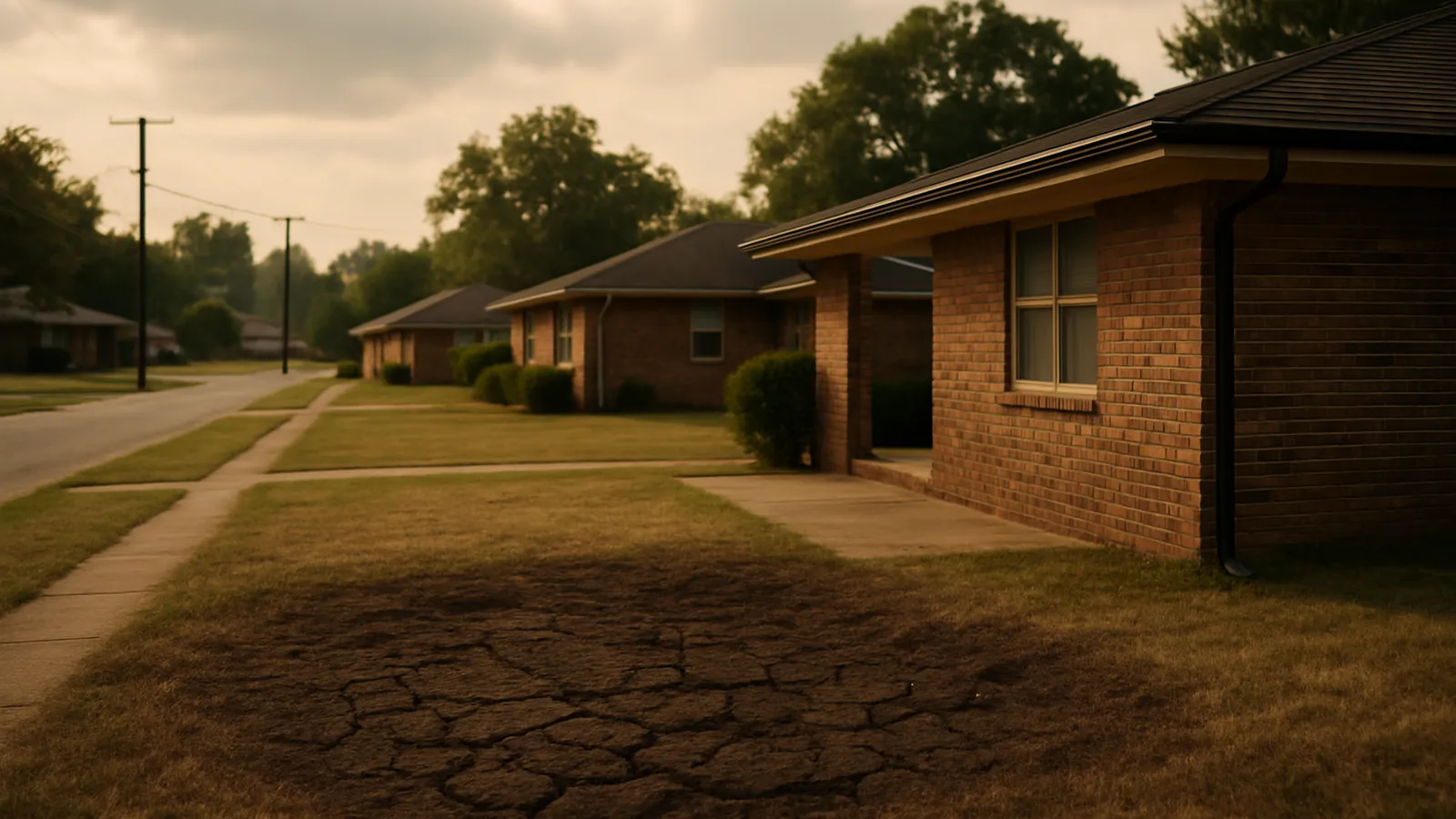
Most Chapel Hill foundation repairs land between $4,000 and $15,000; piers run $1,200–$3,000 each. Wilcox clay changing 15–30% in volume between wet and dry is the mechanism, and the free elevation survey is what decides pier count.
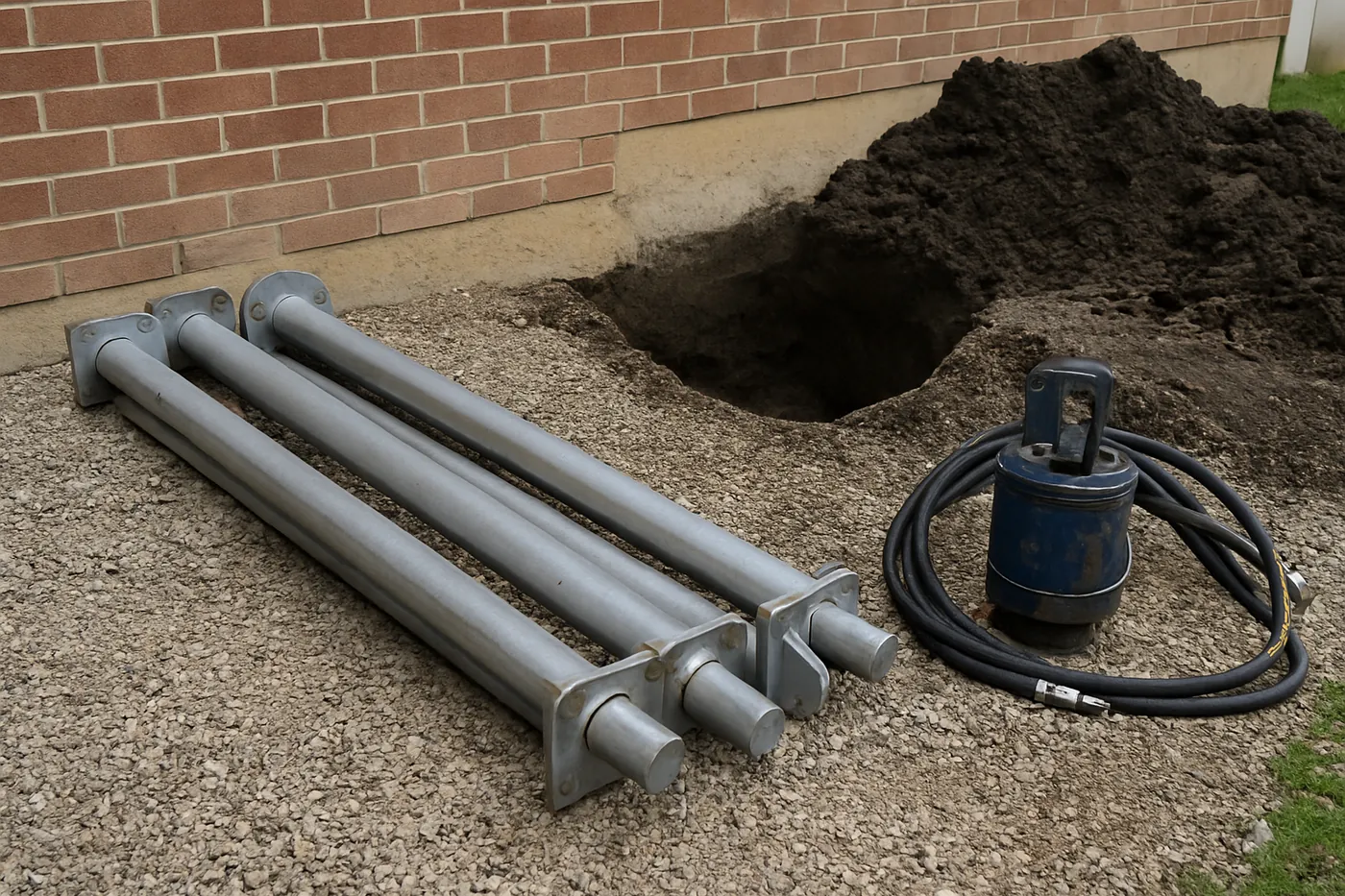
Built before the clay was designed for
A large share of the housing east of Tyler predates modern post-tension slab design and the soil-preparation practices that came with it. Those houses were built well for their era, but the era did not account for a soil that changes a quarter of its volume with the seasons. What they typically have is a conventionally reinforced slab on minimally prepared subgrade.
That is not a crisis — plenty of them have performed for decades. What it means is that when movement does start, there is less built-in resistance to it, and the elevation survey tends to show a broader, gentler dish rather than a sharp local drop.
What older slabs need first
Almost always water management before structure. These houses frequently have no gutters at all, or downspouts discharging directly at the foundation, and correcting that changes the moisture regime around the whole perimeter for a few hundred dollars. Where the survey shows real differential, piering follows — but in that order.
Asked in Chapel Hill
My house is from the seventies. Is that a problem?
Not by itself. Older conventionally reinforced slabs on minimally prepared subgrade have less built-in resistance to soil movement than a modern post-tension slab, but plenty have performed for decades. When movement does start it tends to read as a broad, gentle dish rather than a sharp local drop.
There are no gutters on the house. Does that matter?
On this clay, substantially. A roof concentrates thousands of gallons and delivers them in a line along the drip edge directly into reactive soil beside the foundation. Gutters with extended downspouts are the highest-return, lowest-cost foundation protection available in Smith County.
What should I do first?
Get the elevation survey so you know whether anything is actually moving, then correct water before considering structure. That order saves money on a large share of the houses we evaluate out here.
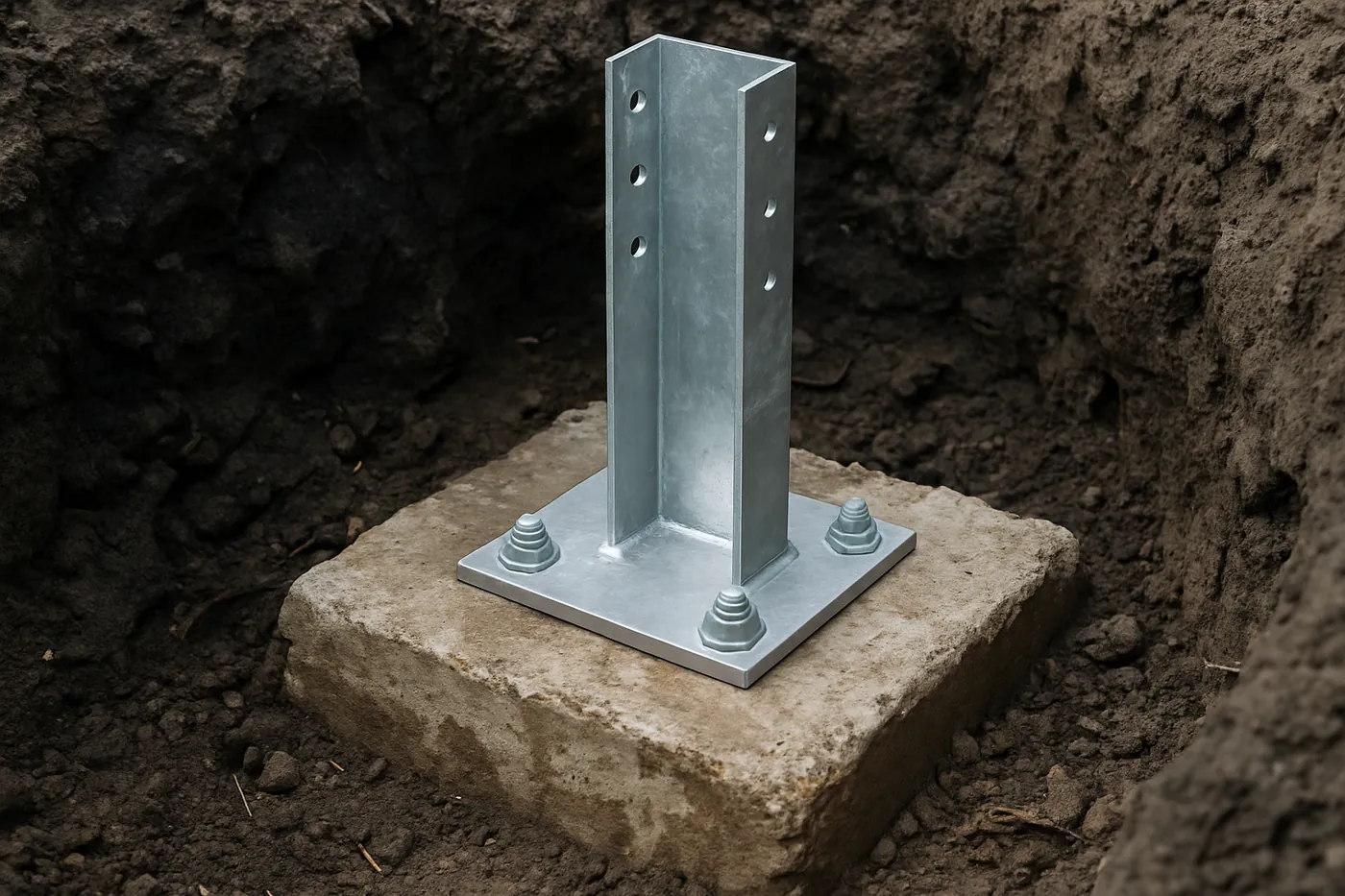
What happens after you call from Chapel Hill
We ask what the house is doing and when it started, then schedule. The survey produces numbers rather than opinions, and the numbers decide whether you need piers, drainage, or monitoring. Everything is in writing before any work begins.
Get a free Tyler foundation evaluation
Tell us what the house is doing — stair-step cracks in the brick, doors that stick every August, sloping floors, separating trim — and we’ll schedule an evaluation with photos and measurements. We reply the same business day.